SPIRITUAL TOURISM
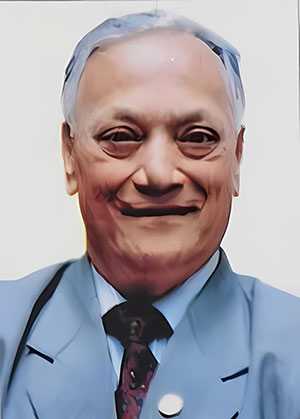
Dr. Gour Kanjilal
( Author Tourism Representative Govt Of India. )
Globally, people are very much mentally disturbed and looking for solace in spiritual reading, meditation, and moments of divine ecstasy. India, which had been the cradle of various religious faiths — Hinduism, Buddhism, Jainism, Sufism, Sikhism, Zoroastrianism — (has accepted and given protection to all religious faiths, be it Christianity, Islam, Bahai, Jewish) — is respected as a destination for spiritual tourism. Thus, India is not only counted as a place rich in its culture with varied attractions but also has a standing image which presents itself as an embodiment of compassion, where one can get peace of mind.
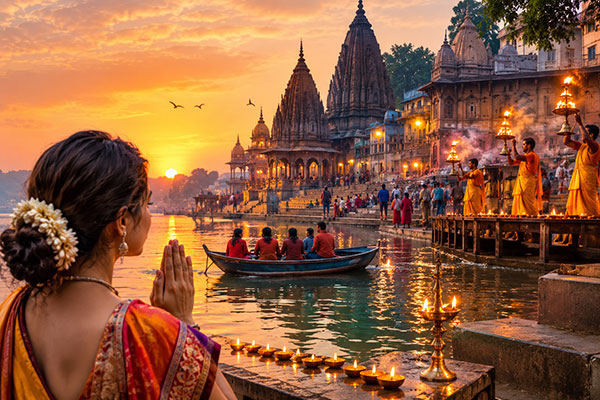
The inherent spiritual segment, in spite of having such a strong potential, was never utilized to boost tourism. Now, in the new marketing efforts since the 9th Five-Year Plan, to be precise, the Government of India, Ministry of Tourism, has put special emphasis on attracting tourists with a focus on spiritual tourism.
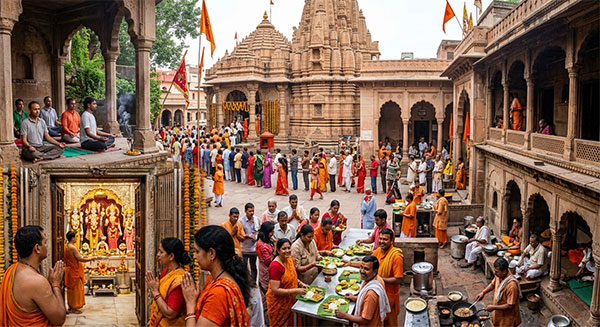
Spiritual Tourism, better known as religious tourism, includes all the religions mentioned above, religious places associated with them, the emotional attachments to these centres, infrastructural facilities for tourists (viz., Dharmashala, choultries, Darshan (viewing of Gods), Parikrama, Dhyana (Meditation Center), Bhog/Prasad, etc.) and allied promotional activities. It can also be termed as "Pilgrimage Tourism", as clients are not looking for luxury but an arduous journey to meet the divine goal or live a simple life.
Dr Gour Kanjilal
( Author Tourism Representative Govt Of India )